
Why Are LED Lighting Prices Rising in 2026?


LED lighting prices 2026 are under new cost pressure. In recent months, lighting manufacturers have faced higher costs for metals, electronic parts, freight, fuel, and other inputs. Several companies have also announced price adjustments across different lighting product lines.
For LED importers, wholesalers, distributors, and project buyers, this trend matters. A higher factory price can affect project budgets, stock planning, and quotation validity.
So, why are LED lighting prices rising in 2026? And what can buyers do to manage the impact?
Why Are LED Lighting Prices Rising in 2026?
There is no single reason behind the current increase.
Instead, several cost factors are moving at the same time.
The lighting industry is facing pressure from:
- Raw material costs
- LED drivers and electronic parts
- Aluminum and other metals
- Freight and fuel
- Supply chain changes
- Currency movements
- Higher production costs
A recent lighting industry survey found that manufacturers are facing cost increases across much of the value chain. The pressure includes metals, electronics, fuel, freight, currency, and financing costs.
As a result, some manufacturers may need to adjust their prices.
1. Raw Material Costs Are Affecting LED Lighting
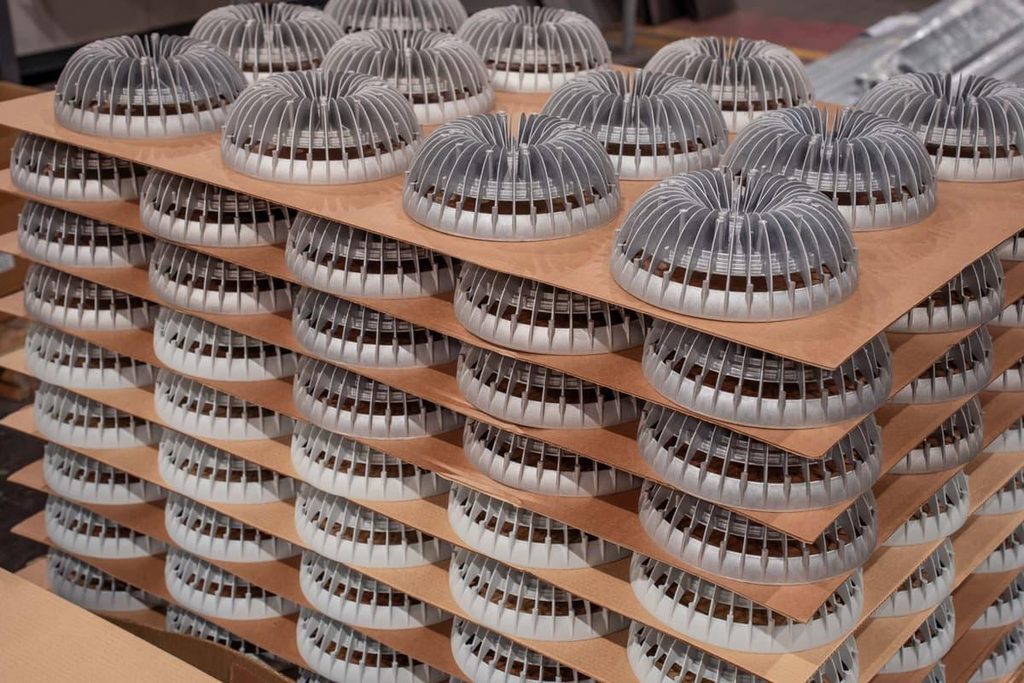
Materials are a major part of an LED product’s cost.
Many LED fixtures use aluminum for heat sinks and housings. Other materials are used in PCBs, wires, connectors, and electronic components.
When these costs increase, manufacturers have two choices.
They can absorb the extra cost. Or they can pass part of it to customers.
However, manufacturers cannot always absorb higher costs for a long time.
Recent industry notices have pointed to higher aluminum, LED chip, and other raw material costs as reasons for quotation reviews.
This is one reason LED lighting prices 2026 are becoming an important topic for buyers.
2. LED Driver Costs Also Matter
The LED driver is a key part of many LED fixtures.
It controls the power supplied to the LED module. A good driver can also support dimming, stable output, and long-term performance.
Therefore, driver costs can affect the final fixture price.
Industry reports and market commentary in 2026 have pointed to price pressure across LED drivers and electronic components. The impact is not the same for every product or supplier, so buyers should compare actual quotations rather than assume one fixed market increase.
For buyers, this means that a very low-cost fixture should be checked carefully.
Ask about:
- Driver brand
- Driver efficiency
- Input voltage
- Dimming options
- Power factor
- Warranty
- Driver lifetime
The cheapest driver may not always provide the lowest total project cost.
3. Electronics and Component Costs Are Changing
Modern LED lighting contains more electronics than a basic lamp.
A commercial fixture may include:
- LED chips
- Driver ICs
- PCB
- Capacitors
- Sensors
- Connectors
- Control components
Some electronic parts may face longer lead times or higher costs.
For example, current LED industry reports continue to track changes in supply, demand, and component pricing across different LED segments.
This means buyers should look at the whole bill of materials.
The LED chip alone does not determine the final product price.
4. Freight and Fuel Costs Add Pressure
Shipping is another factor.
LED lighting is often shipped across long distances. International orders may include:
- Ocean freight
- Local transportation
- Port charges
- Fuel-related costs
- Warehousing
- Insurance
When logistics costs rise, the delivered cost can also increase.
For large orders, even a small change in shipping cost can affect the total purchasing budget.
Therefore, buyers should compare both:
Factory price + logistics cost
rather than looking only at the unit price.
5. Currency Can Affect LED Lighting Prices
International lighting purchases are also affected by currency movements.
A supplier may quote in USD while production costs are paid in another currency.
When exchange rates change, the supplier’s real cost can change as well.
This is especially important for buyers who purchase in large volumes.
A quotation that looks attractive today may not remain valid for a long period.
For this reason, buyers should always check the quotation validity period.
Are LED Lighting Prices Rising for Every Product?
Not necessarily.
This is an important point.
The LED lighting market contains many product categories.
For example:
- LED panels
- LED tubes
- Downlights
- Floodlights
- High bays
- Street lights
- Solar street lights
- Industrial lights
Each product has a different bill of materials.
The impact of rising costs can therefore vary by product.
In addition, different suppliers may use different drivers, LED packages, aluminum materials, and production processes.
As a result, buyers should not assume that every LED product will increase by the same percentage.
Recent industry reporting also shows that price adjustments vary across companies and product categories.
What Does This Mean for LED Buyers?
Higher costs do not mean buyers should simply accept every price increase.
Instead, buyers should improve the way they compare suppliers.
Compare More Than Unit Price
A good comparison should include:
| Item | What Buyers Should Check |
|---|---|
| Wattage | Actual input power |
| Lumens | Delivered light output |
| Efficacy | Lumens per watt |
| Driver | Brand and specifications |
| LED chip | Brand and type |
| Lifetime | Rated operating life |
| Warranty | Coverage period |
| Certification | Required market approvals |
| MOQ | Minimum order quantity |
| Lead time | Production and shipping schedule |
This approach gives buyers a clearer picture of the real value.
Should Buyers Order LED Lighting Earlier?
There is no universal answer.
It depends on the product, project schedule, inventory level, and supplier.
However, buyers with confirmed projects may want to review their purchasing plans earlier when suppliers are facing cost pressure.
A longer lead time can create another problem.
The price may change between the first quotation and the final order.
Therefore, buyers should ask suppliers:
- How long is the quotation valid?
- Are component prices stable?
- What is the current lead time?
- Can the supplier reserve key components?
- Can the supplier offer a fixed price for a confirmed order?
Clear communication can reduce surprises later.
How Can Buyers Control LED Lighting Costs?
There are several practical ways to manage costs.
1. Compare Total Cost
Do not compare only the factory price.
Look at the full purchasing cost, including shipping, installation, energy use, and maintenance.
2. Standardize Products
If possible, reduce the number of different models in one project.
Standard products can make purchasing and stock management easier.
3. Check Energy Efficiency
A slightly more expensive LED fixture may use less energy.
For long-running commercial projects, energy savings can offset part of the initial cost.
For example, compare:
Purchase Price + Energy Cost + Maintenance Cost
This gives a better view of total cost.
4. Work With Reliable Suppliers
Stable suppliers can help buyers manage changes in components and production.
Ask for clear technical documents and consistent product specifications.
Also check whether the supplier has a quality control process.
5. Review Quotations Regularly
When market costs change, old quotations may no longer reflect current production costs.
Therefore, buyers should confirm prices before placing large orders.
What Should LED Manufacturers Do?
The current market also creates challenges for manufacturers.
A lighting manufacturer needs to balance:
Cost + Quality + Price + Delivery
Cutting product quality is not a good long-term solution.
For example, replacing a reliable driver with a low-quality alternative may reduce the factory cost. However, it can also increase warranty and maintenance risks.
Instead, manufacturers can focus on:
- Better production planning
- Supplier management
- Quality control
- Inventory planning
- Production efficiency
- Clear customer communication
This approach can help maintain stable product quality while managing cost pressure.
Will LED Lighting Prices Continue to Rise?
It is too early to give one fixed answer.
The lighting market is affected by many factors. These include raw materials, electronics, freight, currency, supply, and demand.
Current industry reports show clear cost pressure, but the impact is different across product categories and suppliers.
Therefore, buyers should watch the market rather than rely on one general percentage.
For project purchasing, regular supplier communication is more useful than waiting for a single market forecast.
What Should Buyers Watch in the Rest of 2026?
For the rest of 2026, LED buyers should pay attention to five areas:
- LED driver costs
- Aluminum and other metal prices
- Electronic component supply
- Freight and logistics costs
- Supplier quotation validity
These factors can affect both price and delivery.
At the same time, buyers should continue to check product efficiency and quality.
A lower price is not useful if the product creates higher energy or maintenance costs later.
Conclusion
The rise in LED lighting prices 2026 is linked to several factors rather than one single cause.
Raw materials, drivers, electronic components, freight, fuel, currency, and production costs are all creating pressure across the lighting supply chain. Recent industry reports and supplier announcements show that some manufacturers are responding with price adjustments.
For buyers, the best response is not simply to search for the lowest unit price.
Instead, compare product quality, efficiency, driver performance, delivery, warranty, and total cost.
For large LED orders, early communication with suppliers can also help.
As the lighting market changes through 2026, accurate product information and reliable supplier communication will become even more important for successful LED procurement.
FAQ
Why are LED lighting prices rising in 2026?
The main factors include higher raw material, electronic component, freight, fuel, and production costs. Currency movements can also affect international LED quotations.
Are all LED lighting products becoming more expensive?
No. Price changes vary by product, component, supplier, and market. Buyers should compare current quotations rather than assume one fixed increase.
Are LED driver prices affecting lighting costs?
Yes. Drivers are important components in many LED fixtures, so changes in driver and electronic component costs can affect the final product price.
Should I buy LED lighting before prices increase further?
Buyers should consider their project schedule, inventory, quotation validity, and supplier lead time. For confirmed projects, discussing pricing and component availability with suppliers early can reduce uncertainty.
How can buyers reduce LED lighting costs?
Compare total cost instead of unit price alone. Check energy efficiency, driver quality, warranty, lead time, shipping, and long-term maintenance costs.
What should I ask an LED supplier before placing an order?
Ask about quotation validity, lead time, driver specifications, LED chips, certifications, warranty, MOQ, and whether key component costs may affect the final price.