
Understanding the Impact of LED Color Temperature on Ambience

Color temperature is one of the most important factors when choosing LED lighting. Measured in Kelvin (K), it determines whether the light appears warm and cozy or bright and energizing. Understanding how different color temperatures affect mood and atmosphere can help you create the perfect lighting environment for any space.
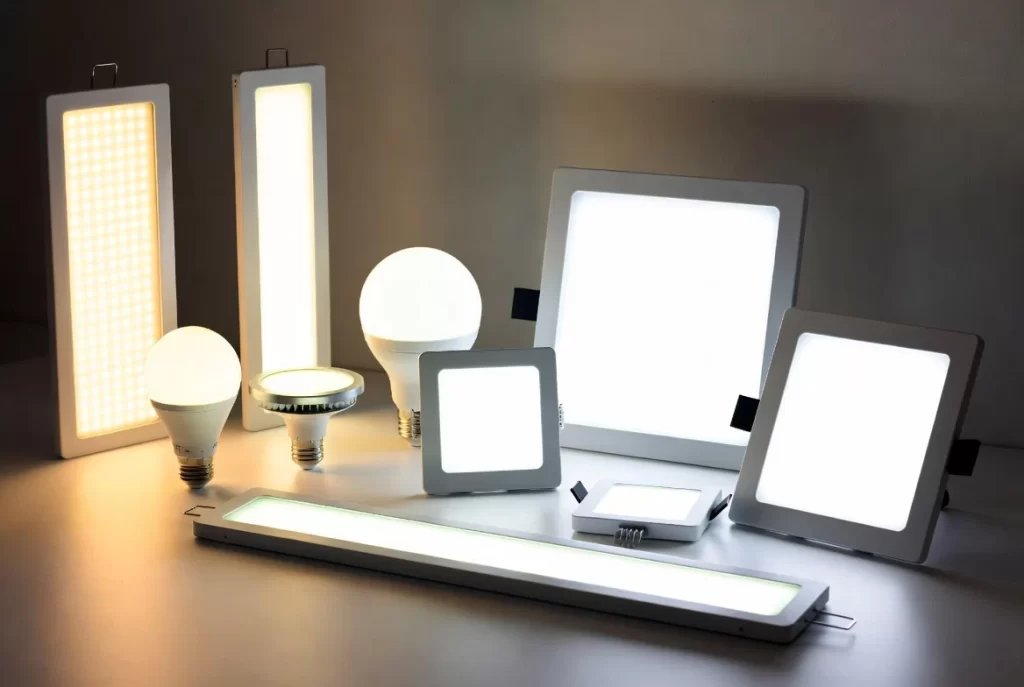
What is LED Color Temperature?
Color temperature describes the color appearance of light, ranging from warm yellow tones to cool blue tones. Lower Kelvin values produce warmer light, while higher values create cooler, daylight-like illumination. Learn more about Color Temperature
LED Color Temperature Guide & Atmosphere Effects
| Color Temperature | Light Appearance | Best Applications | Atmosphere & Psychological Effects |
|---|---|---|---|
| 2700K – 3000K | Warm White / Soft Yellow | Living rooms, bedrooms, dining areas, hotels, restaurants | Relaxing, cozy, intimate, welcoming, stress-reducing |
| 3500K – 4500K | Neutral White | Kitchens, offices, retail stores, hallways | Balanced, natural, clear, versatile |
| 5000K – 6500K | Cool White / Daylight | Offices, workshops, hospitals, supermarkets, study areas | Energizing, focused, productive, alert |
How Color Temperature Influences Atmosphere
1. Warm White (2700K–3000K) This light resembles traditional incandescent bulbs or sunset glow. It creates a warm, comfortable, and inviting atmosphere.
- Ideal for residential spaces where people want to relax.
- Helps reduce stress and promotes better sleep when used in the evening.
- Perfect for hospitality venues to make customers feel at home.
2. Neutral White (3500K–4500K) The most natural-looking light, closest to midday sunlight.
- Provides excellent color accuracy.
- Suitable for areas where tasks are performed and true colors matter (e.g., makeup, clothing retail).
- Offers a balanced feel that works well throughout the day.
3. Cool White / Daylight (5000K–6500K) Bright and crisp with a slight blue tint.
- Enhances concentration and productivity.
- Commonly used in commercial and industrial environments.
- Makes spaces feel larger, cleaner, and more modern.
Scientific Insights
Research shows that warm lighting generally promotes positive mood and relaxation, while cool lighting can improve alertness but may reduce comfort in certain settings.
- Effect of warm/cool white lights on visual perception and mood
- Effects of illuminance and correlated color temperature on mood
Practical Recommendations for Different Spaces
- Home: Use 3000K in living rooms and bedrooms for comfort; 4000K in kitchens and bathrooms for clarity.
- Office & Workspace: 5000K–5500K to boost focus and efficiency.
- Retail & Commercial: Mix warm and neutral lights to create an appealing shopping experience.
- Smart Lighting Solution: Choose tunable LED lights that allow you to adjust color temperature throughout the day — cooler in the morning for energy, warmer in the evening for relaxation.
At Jinbiao Lighting, we specialize in manufacturing high-quality LED lighting products with excellent color rendering (high CRI) and wide color temperature options (2700K–6500K). Whether you need warm, neutral, or cool white LEDs, we provide reliable, energy-efficient solutions tailored to your needs.