
How Does Light Affect the Environment and People?

Light is part of our everyday life.
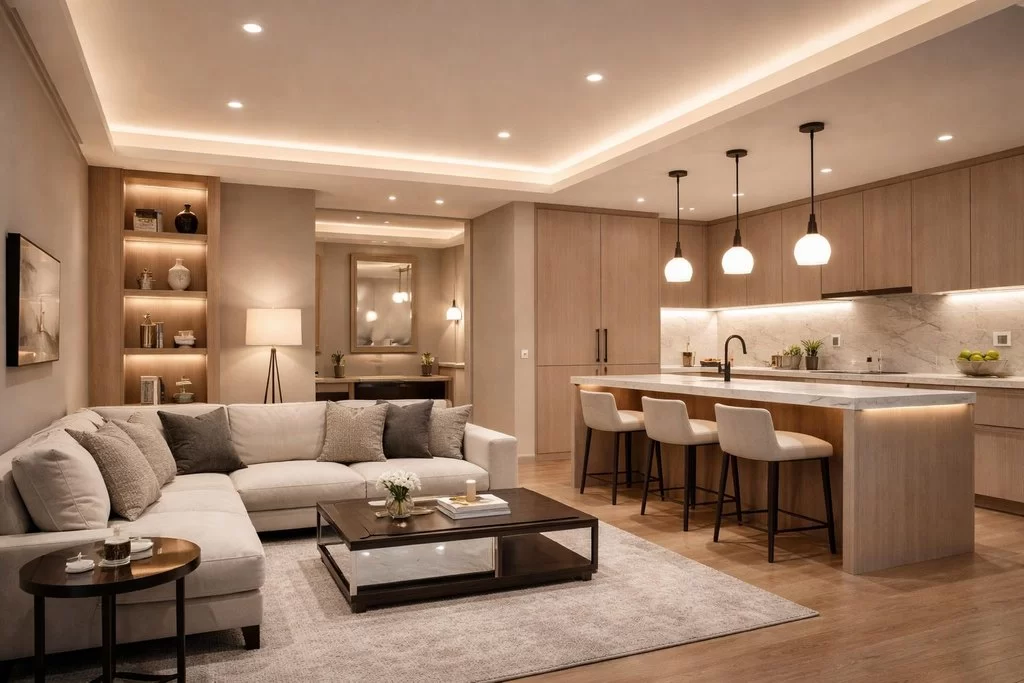
We use it at home, at work, in shops, and outdoors. Good lighting helps us see clearly. It also makes spaces feel safe and comfortable.
However, light can affect more than what we see.
How does light affect the environment and people?
The answer depends on how we use it. The type of light, energy use, brightness, and light direction all matter.
Today, LED lighting is changing the way we light homes and businesses. It offers good energy efficiency, long service life, and many lighting options.
How Does Light Affect the Environment?
Lighting needs energy.
In homes and businesses, lights may run for many hours each day. As a result, energy efficiency is an important part of modern lighting.
LED lighting is a popular choice because it can provide useful light with lower power use than many older lighting technologies.
For large buildings, this can make a real difference.
LED Lighting Can Reduce Energy Use
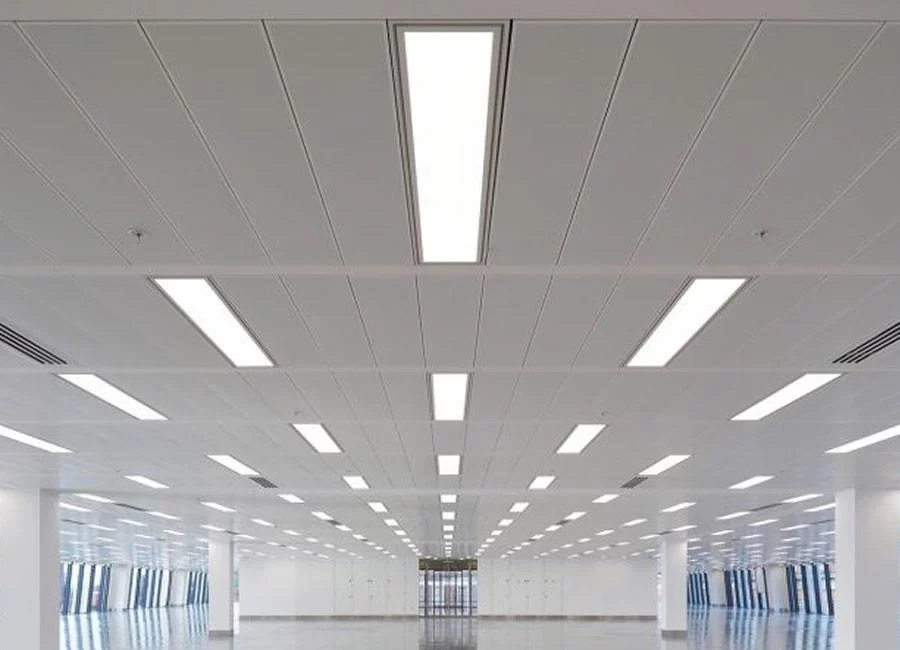
Energy use is one of the main concerns in lighting.
For example, an office may have hundreds of lights. A factory or warehouse may have even more.
When each light uses less power, total energy use can also go down. Therefore, energy-efficient LED lighting can help reduce electricity use over time.
In addition, lower energy use can help reduce operating costs.
This makes LED lighting a useful choice for homes, commercial buildings, and industrial projects.
Long-Lasting Lights Can Reduce Waste
The service life of a light is also important.
A long-lasting light does not need to be replaced as often. As a result, fewer replacements may mean less use of lamps, packaging, and other materials.
LED lights are known for their long service life. Therefore, they can help reduce maintenance work and replacement needs.
For large lighting projects, this can be especially useful.
How Does Light Affect People?
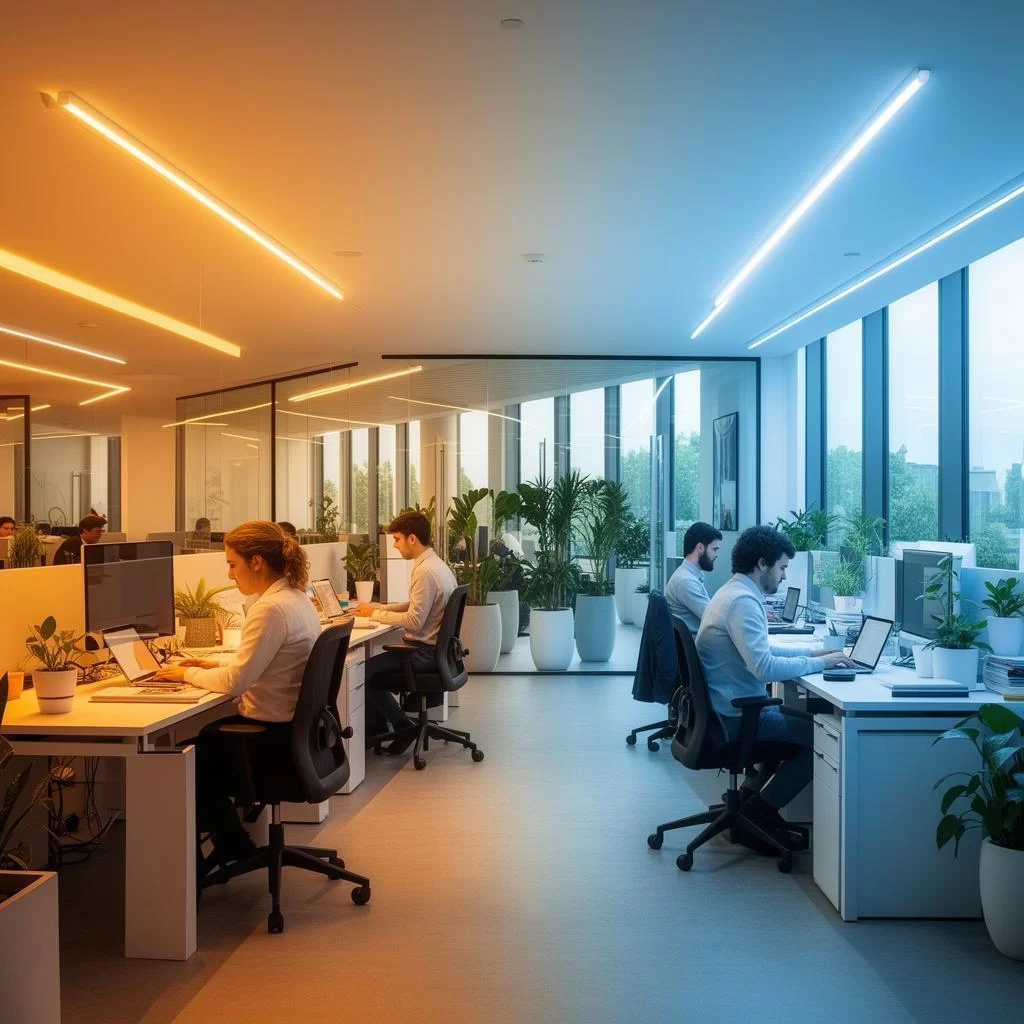
Lighting can change the way people see and use a space.
The right light can make a room feel bright and comfortable. On the other hand, poor lighting may create glare, shadows, or uneven brightness.
For this reason, good lighting design should match the needs of each space.
Good Lighting Can Improve Visual Comfort
People need clear and comfortable light for many daily tasks.
For example, they may read, work, study, shop, or move around a building.
Too much light can cause glare. In contrast, too little light can make some tasks harder.
Uneven light may also create dark areas and strong shadows.
Fortunately, LED lighting offers good control over brightness and light distribution. This makes it easier to create comfortable lighting for different spaces.
Color Temperature Is Important
Not all white light looks the same.
Some LED lights have a warm white color. Others have a cool white color.
Warm white light can create a calm and cozy feeling. Therefore, it is often used in homes, hotels, restaurants, and bedrooms.
Cool white light can create a clean and bright feeling. As a result, it is often used in offices, shops, workshops, and work areas.
In addition, some spaces may use neutral white light for a balanced look.
Choosing the right color temperature can improve the look and feel of a space.
What Is Light Pollution?
Light pollution is another important issue.
It happens when artificial light is too bright, poorly directed, or used when it is not needed.
Outdoor lighting is one common source.
For example, a light may shine into the sky instead of onto the ground. Light may also spill into nearby homes or other areas.
As a result, too much artificial light can reduce the view of the night sky.
It may also affect some animals and insects. Therefore, responsible outdoor lighting is important for both people and the environment.
How Can We Reduce Light Pollution?
Good lighting design can help reduce unwanted light.
Here are some simple ways to do it:
- First, use the right brightness for the area.
- Next, point light only where it is needed.
- Also, choose the correct beam angle.
- In addition, avoid unnecessary outdoor lighting.
- Where possible, use timers and sensors.
- Finally, turn off lights when they are not needed.
The goal is simple.
Use the right amount of light in the right place at the right time.
Why Is LED Lighting Good for Sustainable Buildings?
Sustainable lighting is becoming more important.
Today, many building owners want to reduce energy use and operating costs. At the same time, they want comfortable and attractive spaces.
LED lighting can help meet these goals.
Modern LED products are available in many sizes, shapes, power levels, and color temperatures.
For example, LED lights can be used in:
- Homes
- Offices
- Hotels
- Retail stores
- Restaurants
- Factories
- Warehouses
- Schools
- Outdoor areas
Because of this flexibility, LED lighting can support many different applications.
How Can We Use Lighting More Efficiently?
Using better lighting does not mean using more light.
Instead, it means using light in a smarter way.
Choose the Right Light for the Space
Different spaces need different lighting.
For instance, a bedroom does not need the same lighting as a warehouse.
A retail store may need accent lighting. Meanwhile, an office may need even general lighting.
Therefore, the best lighting solution depends on the use of the space.
Avoid Too Much Brightness
More light is not always better.
Very bright light can cause glare. It can also waste energy.
For this reason, the goal should be to provide enough light for the task.
Good lighting should be useful without being excessive.
Use Smart Lighting Controls
Lighting controls can also improve energy efficiency.
For example, motion sensors can turn lights on when people enter an area.
Similarly, timers can turn lights off at a set time.
Dimmers can reduce brightness when full light is not needed.
As a result, these simple tools can help reduce unnecessary energy use.
Control Where the Light Goes
Light direction is another important factor.
A good lighting fixture should send light toward the area that needs it.
This can improve lighting performance. At the same time, it can reduce unwanted light spill.
For outdoor projects, good light control can also help reduce light pollution.
What Should You Consider When Choosing LED Lighting?
Choosing an LED light is not only about price.
Instead, it is important to look at the full product performance.
Here are several factors to consider:
Energy efficiency
First, check how much power the light uses.
Light output
Next, make sure the light provides enough brightness for the space.
Color temperature
Then, choose warm, neutral, or cool white based on the application.
Beam angle
Also, select a suitable beam angle. This can help direct light where it is needed.
Service life
In addition, consider the expected service life. A long service life can reduce replacement and maintenance needs.
Light quality
Good color quality can make objects and spaces look more natural.
Product design
Finally, make sure the fixture matches the installation area and lighting needs.
Overall, a good LED lighting solution should balance performance, comfort, efficiency, and cost.
The Future of Sustainable Lighting
The lighting industry is moving toward more efficient and smarter solutions.
LED technology is already widely used. In addition, new lighting systems can include sensors, dimming, smart controls, and better light distribution.
These technologies can help buildings use energy more efficiently.
At the same time, good lighting design can create better spaces for people.
The future of lighting is not simply about making spaces brighter.
Instead, it is about making lighting more efficient, more comfortable, and more responsible.
Frequently Asked Questions
Does LED lighting help the environment?
Yes. Energy-efficient LED lighting can reduce electricity use compared with many older lighting technologies.
In addition, LED lights can have a long service life. This may reduce the need for frequent replacement.
How does light pollution affect the environment?
Excessive artificial light can change natural night conditions.
For example, it can affect some wildlife and reduce the visibility of the night sky.
Therefore, careful outdoor lighting design can help reduce unwanted light.
Does lighting affect human comfort?
Yes. Brightness, glare, color temperature, and light distribution can all affect visual comfort.
For this reason, good lighting design is important in homes, offices, shops, and other spaces.
Is warm or cool light better?
Neither is always better.
Instead, the best color temperature depends on the space and its purpose.
Warm light is often used for relaxing areas. On the other hand, cool light is common in work areas.
How can LED lighting save energy?
LED lights can provide useful illumination with lower power use than many older lighting technologies.
Moreover, lighting controls can reduce energy use by turning lights off or reducing brightness when full light is not needed.
Conclusion
So, how does light affect the environment and people?
Light can affect energy use, comfort, daily activities, and the environment.
Good lighting can help people see clearly and feel more comfortable. Meanwhile, energy-efficient LED lighting can help reduce power use and maintenance needs.
However, poor lighting can create glare, waste energy, and increase light pollution.
That is why lighting design matters.
The best approach is simple:
Use efficient light. Choose the right light. Direct it where it is needed. Turn it off when it is not needed.
With better LED technology and smarter lighting design, we can create spaces that work well for people while reducing their impact on the environment.